Holding Tank Cleaning
in Buckley, WA

Stormwater Compliance

Protect Your Business from Fines & Pollution – Expert Stormwater Management & SWPPP Compliance

A holding tank has no drain field and no outlet. Everything that goes in stays in until somebody pumps it out. That makes it the one piece of site equipment where "we will get to it next month" turns into an overflow.


We clean and pump commercial and industrial holding tanks across Buckley, Pierce County and Western Washington. Family owned, based in Buckley since 2016, with more than 30 years of combined experience across the crew. When you call, a technician answers rather than a call center.


To be clear about scope, because it comes up: we are a stormwater and drainage contractor. We do not do septic or sanitary sewer work.

Schedule holding tank cleaning in Buckley, WA

Capacity Disappears Before You Notice

Solids do not distribute evenly. They settle along the floor and build up on the walls, and the tank keeps reporting that it has room right up to the point where it does not.


The number that matters is usable capacity, not tank size. A tank that has not been cleaned in a couple of years may be running at a fraction of what it was designed to hold, which means the pumping interval you set three years ago is no longer the interval you need.


What that buildup produces, in order: reduced capacity, then backups, then odor, then a discharge you have to report.

Why Timing Matters More Here Than You Would Think

Our wet season runs October through March. During those months the ground around a buried tank can stay saturated for weeks at a stretch.


Saturated ground does two things. It raises the water table around the structure, which increases the consequences of any leak or overflow, and it makes access harder. A tank you could reach with a truck in August may sit behind soft ground in January.


So the sensible interval is a scheduled clean ahead of the season rather than a callout during it. Have you ever tried to get a vacuum truck across a saturated yard in February? It is a different job, and it prices like one.

Our Process

1. Free on site evaluation.

Every job starts with a technician assessing tank condition, measuring current waste levels, and looking for structural wear or early warning signs. No cost, and it happens before anyone connects a hose.

2. Safety and shut off.

Where the tank feeds equipment or a process, that gets isolated first.

3. Pumping and solids removal.

High powered vacuum trucks remove liquid and the settled solids together. The solids are the part that matters, and a pump-out that only takes the liquid has not restored your capacity.

4. Wall and interior cleaning.

High pressure washing takes the accumulated material off the walls and floor, which is what returns the tank to designed capacity rather than just emptying it.

5. Inspection.

With the tank empty and clean we can see it properly. Cracks, corrosion, failed seals, inlet condition. Documented with measurements.

6. Certified disposal.

Material is transported to a permitted disposal facility, handled under the applicable regulations.

7. Written report.

Findings, photos, volumes removed, disposal records, and a recommendation on your next interval.
Before/After Photos of Holding Tank Cleaning

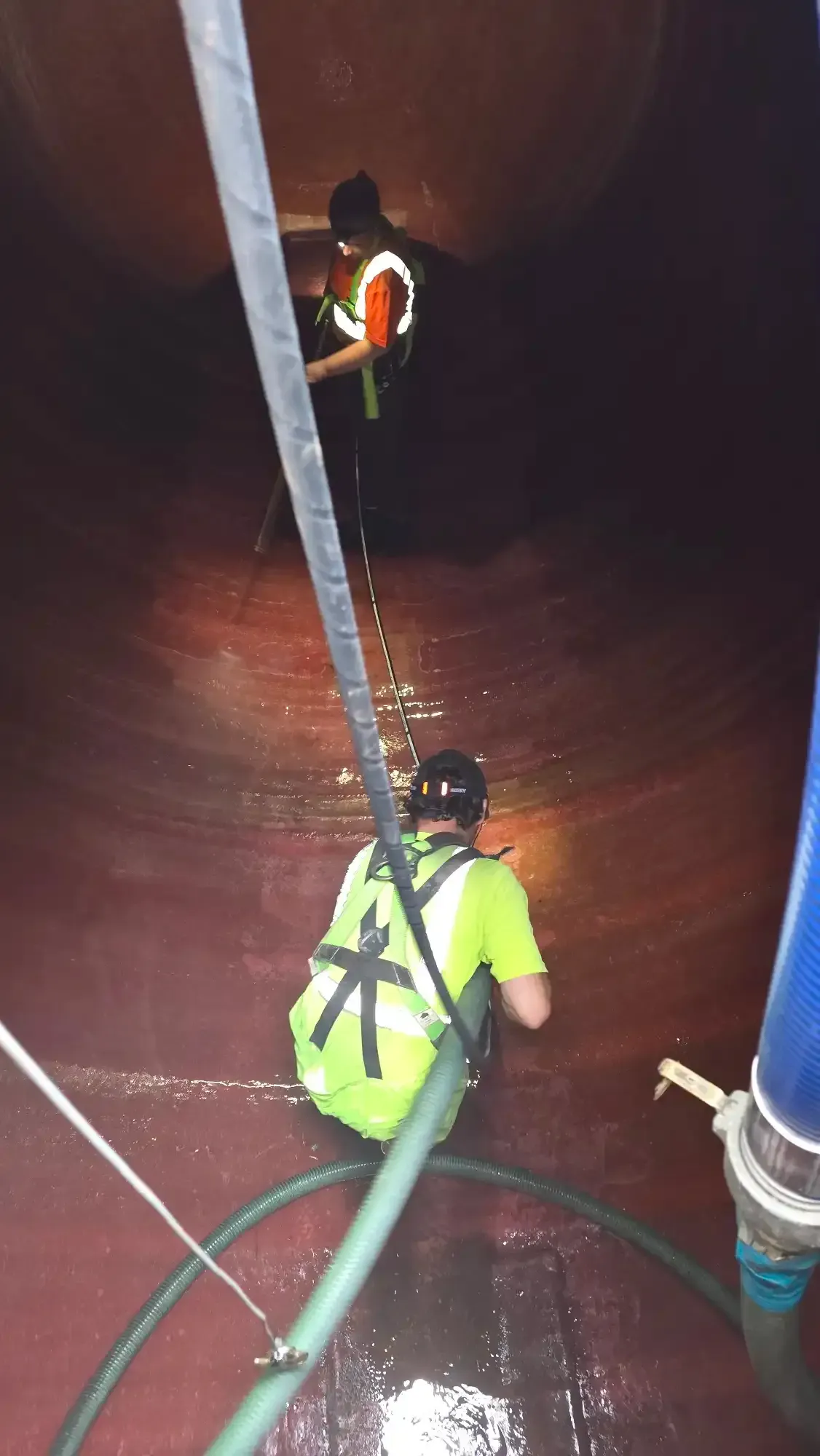
Technician on a safety harness entering an underground tank with solids still coating the walls
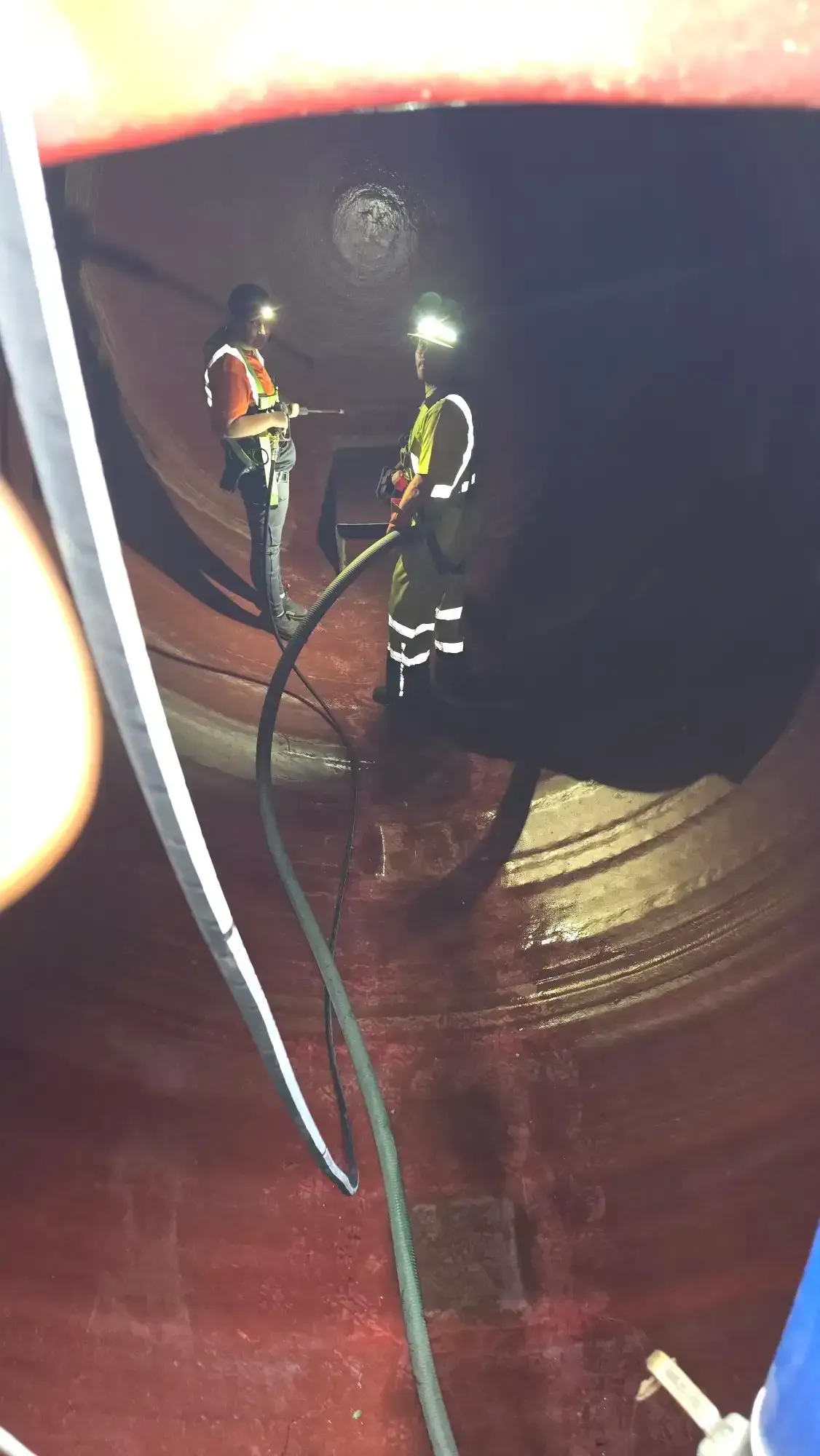
SWAT technician pressure washing the interior walls of an underground tank
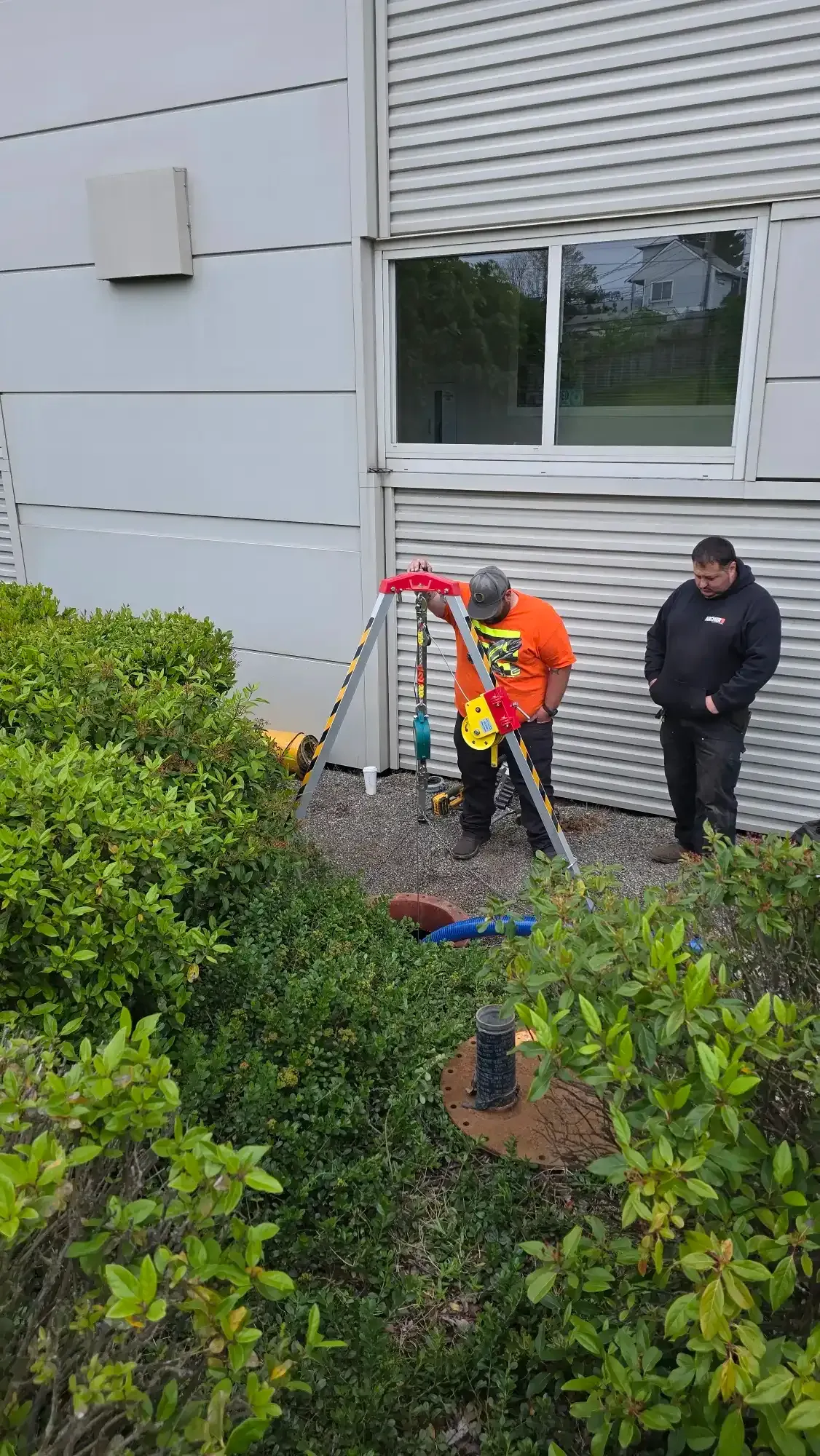
SWAT crew setting up entry equipment at an underground tank access point
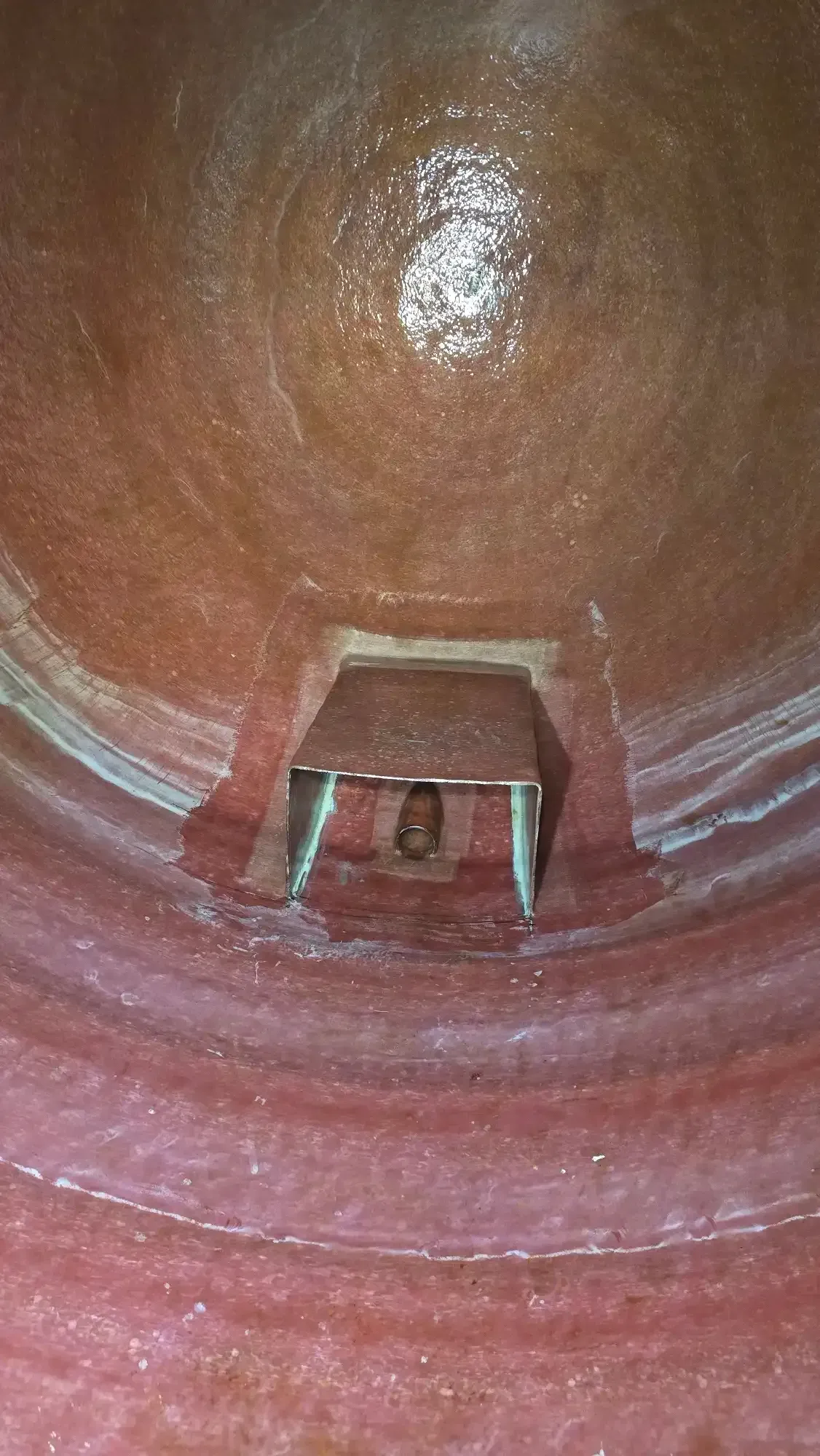
Underground tank interior after cleaning, with the walls washed down and the inlet visible

Setting the Right Interval

We would rather set an interval from evidence than sell you a subscription.


After the first clean we know your actual accumulation rate, because we measured what came out against how long it had been. That gives you a real interval instead of a guess. On most commercial sites the first clean is the expensive one and the scheduled ones are considerably cheaper, because you are never again dealing with years of compacted material.


Sites that need shorter intervals: high volume operations, anything with heavy solids in the stream, and tanks running close to capacity by design.

Emergency Response

Tanks overflow at inconvenient times. Emergency service is available, and same week scheduling is often possible for Buckley and the immediate area.


If you are calling because something has already overflowed, say that first. Containment comes before pumping, and we handle non hazardous spill response as part of the same visit where it is needed.
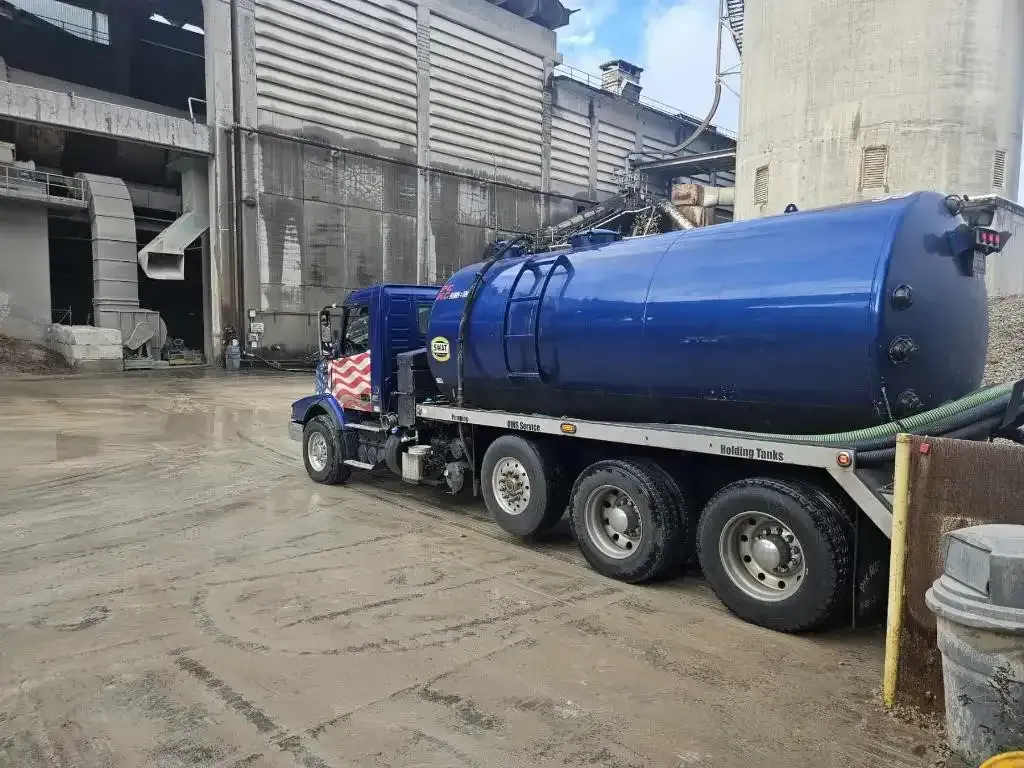
Vacuum tanker pumping a commercial holding tank at a loading dock in Buckley, WA

What Holding Tank Cleaning Costs

Free estimates and free evaluations.


What drives it:

  • Tank volume and how full it is. Billed largely on what comes out.
  • Solids proportion. Compacted solids take much longer than liquid.
  • Access. Truck reach, hose runs, and ground conditions.
  • Disposal. Volume and classification both matter, and it goes to a permitted facility.
  • Condition findings. A failed seal or cracked wall becomes a repair conversation.

The straight version: a first clean on a neglected tank costs real money, and there is no way around that. The scheduled ones afterwards should not, and if a contractor is charging you first-clean prices every visit, something is wrong with either the interval or the work.

Understanding Stormwater Regulations
in Western Washington

Western Washington and its neighboring communities are subject to various stormwater regulations aimed at preserving water quality and preventing flooding. Here in Washington State, strict rules govern how stormwater is managed, stored, and discharged. Failing to follow these regulations can lead to costly fines, environmental damage, and potential legal action.


Local businesses and property owners may face:


Complex permitting processes


  • Frequent changes to municipal stormwater requirements
  • The need to implement and maintain proper drainage systems
  • Potential liabilities if contaminants enter local water sources


Staying on top of these regulations is vital. Non-compliance can result in hefty penalties and disrupt your daily operations. By working with professional Stormwater Compliance Assistance providers like SWAT Services, you can ensure your facility adheres to all relevant guidelines.

Comprehensive Stormwater Compliance Support Services

At SWAT Services, our stormwater compliance offerings go beyond basic consulting. We deliver a holistic approach designed to meet your specific needs in Western Washington. Our main services include:

  • Site Assessment and Evaluation: Our team of highly trained technicians begins every project with a thorough site assessment. We identify areas of concern, evaluate your existing infrastructure, and determine the best path forward. By understanding the unique characteristics of your property, we create a strong foundation for long-term compliance.
  • Stormwater Pollution Prevention Plan (SWPPP) Development: A properly designed SWPPP is essential for any facility subject to stormwater regulations. We’ll help you create or refine your Stormwater Pollution Prevention Plan, ensuring it meets both local and federal standards. Our experts will outline best practices for preventing pollutants from entering your drainage system, minimizing your environmental impact, and keeping you aligned with all regulatory requirements.
  • Best Management Practices (BMPs) Implementation: BMPs are your frontline defense in preventing pollutants from being washed into local water systems. From installing silt fences to optimizing storm drains and oil-water separators, our team ensures each BMP is chosen and installed with maximum efficiency in mind. We continuously evaluate and update these measures to ensure lasting protection.
  • Monitoring and Reporting Assistance: Compliance doesn’t end once your systems are in place. Ongoing monitoring and accurate reporting are critical to maintaining stormwater compliance over time. SWAT Services offers regular site inspections, sampling, and thorough documentation to keep your property ahead of the curve. Our proactive approach helps you address minor issues before they become major complications.

Frequently Asked Questions About Stormwater Compliance in Western Washington

  • What is Stormwater Compliance Assistance?

    It involves ensuring your property meets local, state, and federal guidelines on managing stormwater runoff, preventing pollution, and protecting community resources.

  • Do I need a permit for stormwater management?

    Many projects in Western Washington do require permits. This often depends on property size, location, and the potential for pollution. Our team can help you determine permit requirements and guide you through the process.

  • How often should I inspect my stormwater systems?

    Regular inspections are crucial—typically at least quarterly or following heavy rain. We can create a schedule that meets both regulatory standards and your property’s needs.

  • Can you help if I already have a SWPPP?

    Absolutely. We can review and update any existing SWPPP to ensure it meets the latest regulations and reflects any changes in your operations.

  • How quickly can I get service if there’s an emergency?

    We offer prompt response times. Emergency service is always available, and our technicians are just a phone call away.

Related Services

Tank cleaning services for other tank types on site

Vactor truck services for the combined vacuum and jetting equipment

Oil water separator cleaning, often on the same sites

Car wash pit cleaning for wash bay structures

Confined space cleaning where entry is required

Non hazardous spill cleanup if a tank has already overflowed

Frequently Asked Questions

  • How is this different from your tank cleaning services page?

    This page is specifically holding tanks, which have no outlet and rely entirely on pumping. Tank cleaning services covers other tank types on commercial and industrial sites. Same equipment, different structures. If you are not sure which you have, the free evaluation will tell you.

  • Do you pump septic tanks?

    No. We are a stormwater and drainage contractor and we do not do septic or sanitary sewer work. If that is what you need, you want a different contractor and we will say so rather than take the job.

  • How often should a holding tank be cleaned?

    It depends on your accumulation rate, which we can only know by measuring. After the first clean we can give you a real interval rather than a guess. Ahead of the wet season is the sensible slot for the scheduled visit.

  • How long does it take?

    Most commercial tanks are a same day job. Volume, solids proportion and access drive the timeline. You get an estimated duration with the quote.

  • Do you provide disposal documentation?

    Yes. Material goes to a permitted facility and the paperwork comes with your written report.

Get It Done Before the Ground Softens

We get back to you within a day, the evaluation is free, and you will get told your real interval rather than a sales schedule.


24040 WA-410 Ste J, Buckley, WA 98321 (253) 867-7928
Book holding tank cleaning in Buckley, WA

GET AN ESTIMATE